Is there a reason for only one queen? would the hive go into chaos if there were two? Is the death of the queens in turn to better the hive and sustain life itself? – by Cynthia Silbert (San Diego )
Hi Cynthia,
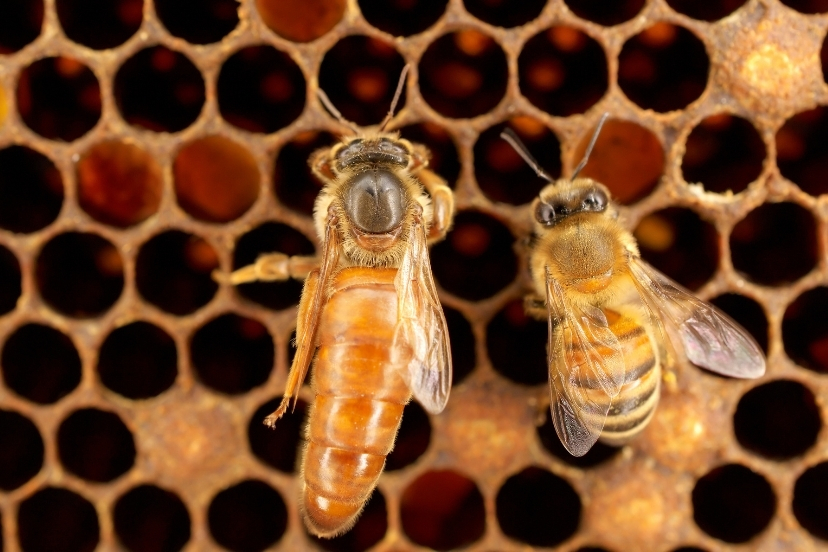
Queen bees emit a pheromone usually called ‘queen substance.’ This pheromone is distributed throughout the entire hive as it is spread from the queen’s attendant bees to every other bee in the hive.
This pheromone tells all of the bees in the colony that the queen is present and healthy, and that all is well. When that pheromone goes missing, the bees know that the queen is also missing, and they must take steps to replace her by raising a new queen.
As a queen ages, she tends to produce less queen substance, and that is one of the motivating factors in the bees’ decision to replace the old queen with a new queen.
It’s not unheard of for there to be 2 functioning queens in a colony, but it’s incredibly rare. The queen is motivated by instinct to kill any other queen in the colony, and the worker bees are motivated by instinct to kill any queen that produces an unfamiliar queen substance.
In fact, you could introduce a strange queen into a colony that is hopelessly queenless, and doomed to die out, and they will kill the strange queen instantly. Though a new queen is the only hope for the survival of that colony, their instinct is still to destroy the strange new queen that could have saved their colony.
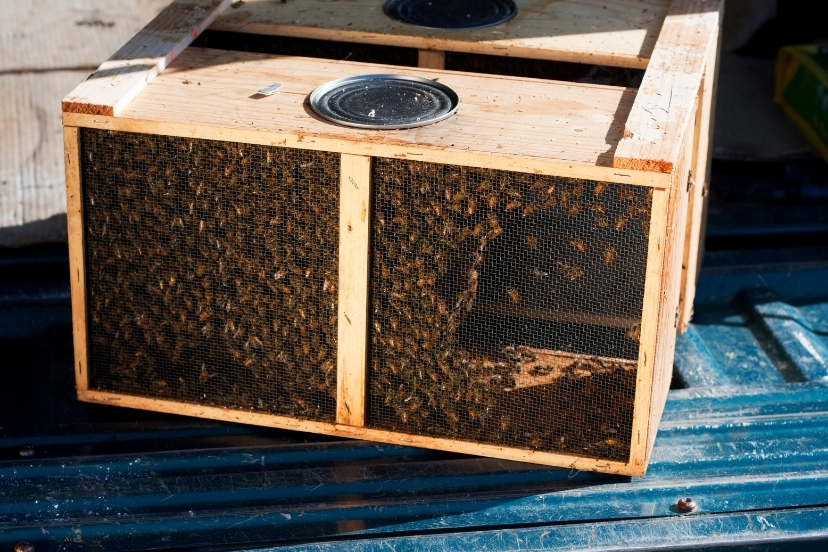
That’s why new queens must be introduced to a colony in a cage, and only released after the bees have had time to come to ‘think’ of her as their queen.
As to why nature or the Creator decided that it was best for each hive to have only one queen, I cannot say.
Your guess is as good as mine!